
















Even in some of the chilliest cities, outdoor dining has always been big business for restaurants.
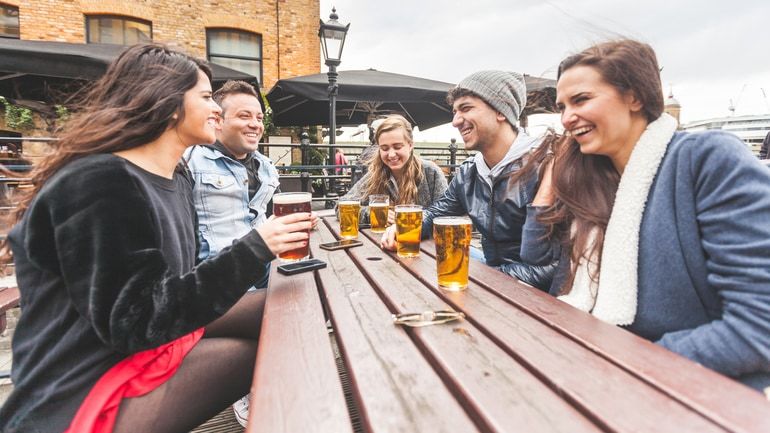
Whether it’s sidewalk seating or a sprawling beer garden, open-air dining gives restaurants an easy way to expand their available seating, provide customers with a unique dining experience, and maximize profits. In fact, some studies have found that adding a patio can help restaurants grow their revenue by more than 30%.
And in the past few years, outdoor dining has become more popular than ever. The pandemic not only spurred an interest in outdoor dining from a consumer perspective, but restaurateurs also discovered that it could be a valuable way to expand their seating capacity and drive extra revenue.
Of course, in most cities, outdoor dining is usually only reserved for the warm summer months. Patios are rarely equipped for snow and rain, and patio permits are often restricted to specific months of the year. For restaurants that have come to rely on patio revenue, this presents a major challenge.
So how do you ensure that your restaurant can continue offering outdoor dining beyond summer? By winterizing your patio.
In this article, we’ll explain how to winterize your outdoor dining areas so you can continue offering safe dine-in service, even as the temperature drops. We’ll cover:
- The benefits of offering year-round outdoor dining
- Key considerations to take into account
- How to winterize your outdoor dining area
3 Benefits of Winterizing Your Outdoor Dining Area
The most obvious benefit of an all-season patio is that it allows for more seating, and therefore, more revenue. But there are some other, unexpected benefits for restaurateurs as well.
1) Attracts a Wider Range of Consumers
While not everyone enjoys dining outdoors year-round, there are huge segments of the population that do. For instance, in many cities, diners are unable to bring their pets indoors to a restaurant. However, many cities allow diners to bring their pets if they will be sitting outdoors on a restaurant patio. By adding patio seating, you can make your restaurant more accessible to those who like to dine with their furry friends.
2) Allows You to Capitalize on Seasonality
While your indoor dining area may have a very specific atmosphere and theme, a patio – especially one open year-round – allows you to capitalize on different events, holidays, and themes as the seasons change.
For instance, an outdoor patio open through October allows you to capitalize on the Halloween season and outfit your venue with spooky decor – all without compromising the inside aesthetic. The same can be said for events like Christmas and New Years, when adding winterized structures like doms or pods allows you to offer an immersive winter dining experience – something that’s nearly impossible to pull off indoors.
3) Maximize Dine-In Revenue
Beyond the customer experience, there’s also the very real financial benefits that come with winterizing your outdoor space. Put simply, outdoor dining allows you to add more seats to your venue, maximizing the number of tables that can be served at any given time. This can be an especially great option for restaurants that frequently have long wait times or find themselves fully booked most nights because it allows you to expand your business without actually adding all the extra costs and overhead of a second location.

4 Key Considerations to Keep in Mind
While winterized patios have some major advantages, year-round outdoor dining isn’t an option for every restaurant. So before you start construction on an awning or investing in portable heaters, you’ll want to take a few things into consideration.
1) Climate
Perhaps the biggest consideration when winterizing your patio is climate. While operating a patio in snowy Montreal, Quebec is certainly possible, it comes with a lot more obstacles than creating an all-season outdoor dining space in Austin, Texas. So before you begin the winterization process, be realistic about the kind of weather you’re up against.
2) Cost
It goes without saying that winterizing your patio is an added cost. From roof coverings to heating units, there are a lot of costs associated with winter-proofing your outdoor dining area. If your restaurant is struggling with slim profits, now may not be the right time to make a major investment in your space.
3) Space
During the pandemic, many cities allowed restaurants to expand their patio spaces onto sidewalks, into parking lots, and even city streets. While many cities have continued allowing restaurants to use these public spaces for outdoor seating, keep in mind that this is space your restaurant probably doesn’t own or lease. Before thinking about winterizing your patio, you’ll have to consider how much outdoor space you actually have to work with, who owns it, and what restrictions you may face.
4) Local Rules and Regulations
Though some places have continued and even expanded their outdoor dining programs in recent years (like Toronto), cities like New York have scaled back their programs and forced many operators to dismantle their alfresco setups.
Before constructing a year-round patio, it’s important to check your local laws and regulations to find out what your options are. In some cases, you might need to apply to add heaters to your outdoor dining area or obtain a whole new license to operate a winter patio.
How to Winterize Your Patio
After considering the benefits and taking all the variables into account, you might have decided that winterizing your patio is the best option for your restaurant. But now the question is, how do you do it?
Below, we’ll cover some of the key steps involved in getting your outdoor dining area winter-ready. Though every restaurant’s patio will look a little different, these guidelines should help you create a plan of action (before the snow arrives).
1. Make It Warm
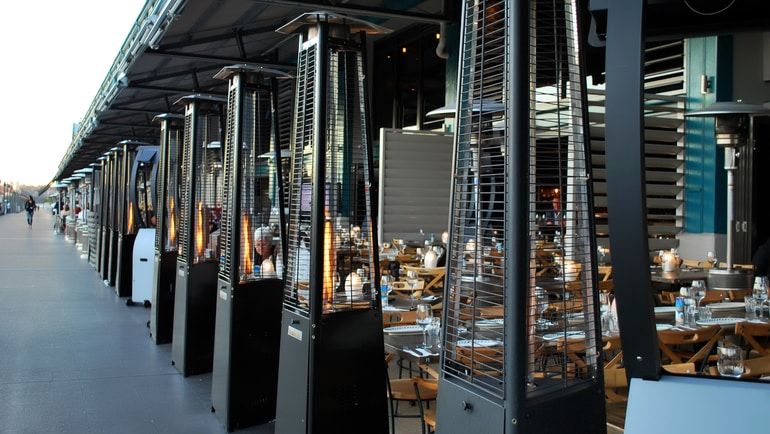
First and foremost, any year-round patio needs to be warm enough for guests to comfortably enjoy it. Depending on your climate, you can explore different kinds of heating solutions, such as:
- Portable propane heaters
- Built-in heating equipment
- Infrared heaters
- Portable fire pits, fire bowls, and outdoor fireplaces
However, pumping heat onto your patio may not be enough to keep it cozy on cold days. In some cases, keeping things warm also involves protecting guests from the elements, like rain and snow. For this, you’ll need to invest in a temporary or permanent structure. Roof overhangs, awnings, and other horizontal covering are most effective if they’re facing south because they will provide shade in the hot summer and a little bit more sun in the winter.
To protect against strong winds, you might also consider seasonal or roll-down wall panels. Ripstop vinyl-coated polyester roll-down walls panels can be especially helpful in providing protection from rainstorms. When installing any side coverings, remember that you still need to keep outdoor air flowing in order to lower the risk of airborne or aerosol transmission of the coronavirus.
While keeping your guests warm in the middle of January might seem impossible, keep in mind that winter patios are common throughout Northern Europe and in North American ski towns, thanks to some clever design innovation. Now, other cities are looking to help restaurants do the same, with places like Chicago launching a Winter Design Challenge to find creative solutions for winter outdoor dining. And in cities like Montreal, restaurants have a long history of experimenting with different types of outdoor patios, like the winter yurts constructed at SAT Foodlab.
2. Make It Comfortable
Beyond making your outdoor patio warm in cooler weather, you also need to think about how to make it comfortable and enjoyable to spend time on. Part of this involves getting the right lighting. In most places, winter means less daylight, so proper lighting is not only important for creating the right atmosphere, but also for safety. When considering different lighting options, make sure you choose something that can withstand the elements and won’t create a safety hazard.
In addition to lighting, you also need to invest in proper furniture. Like your lighting, your patio furniture needs to be fit for your particular climate – whether that’s cool and mild, or cold and snowy. Of course, you don’t have to sacrifice comfort for durability. Choose furniture that feels warm to the touch like wood, instead of cooler materials like metal. You can also follow the lead of restaurants like Café Bicyclette in Edmonton, Alberta – a city known for its brutal winters – and invest in cushions and comfy lounge seating.
Finally, don’t forget the decor and landscaping when thinking about restaurant patio ideas. Just like a summer patio, extra touches like potted plants or decorative elements can make guests feel more comfortable and cozy – even when the weather’s less than perfect. Consider providing your guests with blankets that can keep them warm and be laundered after each use. If that’s not feasible, a BYOB (bring your own blanket) policy could be an option.

3. Make It Safe
When dining outdoors, safety always has to be a top consideration. Even if diners are only partially exposed to the elements, it’s important to consider how wind, rain, snow, and other factors may impact their safety. Awnings, umbrellas, canopies, and even tents can all help to shield customers from the elements and protect them while they enjoy their meal.
In addition to proper patio coverage, you also have to consider proper drainage. Standing water or water runoff can both create serious safety and sanitation hazards. Not only are staff and customers at risk of slips, but puddles can attract bugs and rodents. With this in mind, proper drainage is essential for any outdoor patio. Tripping hazards can also be a concern.
As mentioned above, proper lighting is especially important during the dark days of winter, not only to create an inviting atmosphere, but also so customers can find their way through the patio without tripping. Or, find their way to an emergency exit if necessary.
Lastly, and perhaps most importantly, you need to ensure your outdoor dining area has proper airflow and ventilation. Even when diners are sitting outside, so you need to make sure that your heated patio still allows for this properoutdoor airflow. In Chicago, a Mississippi-themed restaurant called The Delta has managed to solve this issue with a canopy roof covering with vented windows at the top.Free Restaurant Operations ChecklistThis restaurant operations checklist includes 12 individual lists that can help your staff perform day-to-day operations efficiently and effectively.Get the Checklist
4. Make It an Experience
Though safety is important, you still want to make sure your customers have a good time when they visit your heated patio. Many people think that winter sucks up a lot of the fun that comes from restaurant patio dining and gathering with others. Creating a year-round outdoor dining space is a way to inject some of that fun back into the restaurant experience, while still protecting staff and customers.
To make your winterized patio a destination, look for ways to offer customers a one-of-a-kind dining experience. This can start with something as simple as adjusting your menu to suit the season. Instead of lighter fare like salads, offer customers warm and hearty dishes that complement the cooler weather.
This can extend to your drinks menu as well, with options like mulled wine, hot chocolate, and warm apple cider. At Chicago’s Dovetail Brewery, brewery co-founder Hagen Dost promoted its glühkriek (a warm, spiced cherry beer) as the temperature dropped as a way to draw guests to the patio.
And this experience doesn’t have to end with your food. Amp up the ambiance of your heated patio with elements like music, unique lighting, and themed decor. These extra touches can help make your outdoor patio an inviting experience for customers.
While investing in an all-season patio might not be a viable option for everyone, as many operators have discovered, outdoor dining can be a particularly valuable way to maximize dine-in revenue. For the operators that can make it work, winterizing their patios may unlock a whole new business model.

by Katherine Pendrill
Katherine is the Content Marketing Manager at TouchBistro, where she writes about trending topics in food and restaurants. The opposite of a picky eater, she’ll try (almost) anything at least once. Whether it’s chowing down on camel burgers in Morocco or snacking on octopus dumplings in Japan, she’s always up for new food experiences.