












When you hear why people enter the restaurant industry, it’s usually because they want to share their recipes with the world or because they love creating space for people to come together over a great meal. Their “why” usually doesn’t have to do with restaurant operations management. However, taking care of inventory and other back-office tasks, like accounting and invoicing, is critical to keeping a business running.
If you’re struggling with managing your own restaurant’s operations, you’ve come to the right place. We’re sharing ways you can streamline this crucial part of running your restaurant. Specifically, you’ll learn:
- What restaurant operations management is
- The goal of operations management in a restaurant
- How to improve restaurant operations
What is Restaurant Operations Management?
Restaurant operations management refers to the processes put in place for overseeing all of the day-to-day tasks involved in maintaining a food service business. Operations management includes things like invoicing, accounting, inventory, payroll, payments, and staffing – the kind of things that go on in the back office.
A strong operations management strategy ensures everything together harmoniously, so your business runs like a well-oiled machine. For example, instead of reinventing the wheel every time you have to count how many corn tortillas you have on hand, you have a system in place – often one that leverages automation technology – that speeds up the process and makes it more accurate. Automating back-office tasks can be a game-changer for streamlining back-of-house operations.
The Goal of Operations Management in a Restaurant
Proper operations management ensures smooth day-to-day restaurant operations, efficiency, and stronger financial outcomes. Here are examples of how each of these goals of operations management in a restaurant can be achieved:
- Smooth operations: By setting up direct deposit for your restaurant’s payroll, you can pay employees automatically without having to pick up cash, write a check, or delay payday.
- Efficiency: With an inventory management system in place, inventory quantities can be automatically deducted whenever a customer places an order, so you can forgo manual counting.
- Stronger financial outcomes: By digitizing receipts from vendors and automatically sending them to a receipt-only email address, uploading them to your accounting software, or sending them to your accountant, you can ensure you never misplace a proof of purchase and can keep track of your spending in real time. And the more visibility you have into your spending, the better you can forecast your profit and plan for the future of your business.
The ultimate goal of operations management is making it easier to run your restaurant.Free Restaurant Operations ChecklistThis restaurant operations checklist includes 12 individual lists that can help your staff perform day-to-day operations efficiently and effectively.Get the Checklist
How to Improve Restaurant Operations Management
Now that you understand what operations management is and what kind of outcomes you can expect from it, here are five tips that will help make you a management magician.

1. Maintain Consistency
The best way to ensure smooth operations is to create consistency across your business. This includes everything from counting inventory the same way each time or creating a standard process for filling out invoices. When you do things the same way each time, you don’t have to waste time reinventing the wheel and you lower your risk of making a mistake.
Consistency is especially important if you operate a multi-unit restaurant because it ensures customers have the same experience from location to location. When the recipes are the same and customers can get the same level of service no matter where they visit you, this strengthens your brand and the overall guest experience.
A good restaurant operations checklist and the right technology can play a huge role in helping you maintain consistency by enforcing standard processes or even automating repetitive tasks. Thorough and consistent staff training is another way to create uniformity across your business or multiple locations.Get Your Daily Restaurant Opening ChecklistUse this daily opening checklist to ensure staff complete essential tasks before your restaurant opens for service.Download Now
2. Use Robust Restaurant Operations Management Software
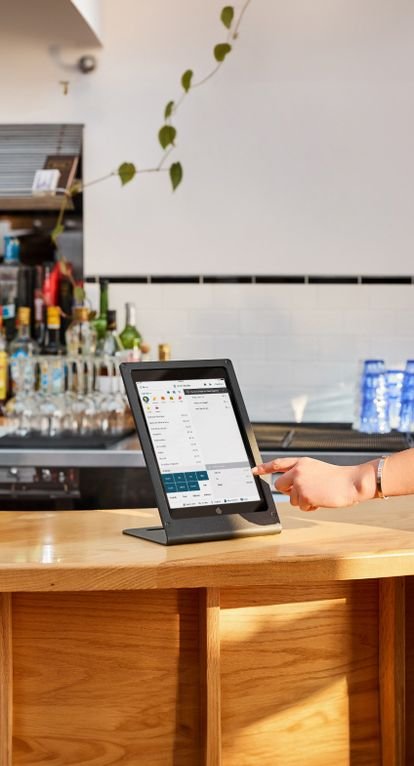
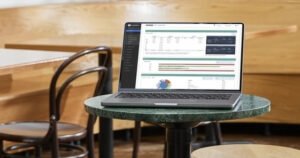
There’s a lot that goes into day-to-day restaurant operations. Using robust restaurant operations software can help you run your business with ease. Rather than having a separate tools for, let’s say accounting, separate software for invoices, and yet another system for inventory management, you should look for one tool that can provide all of these capabilities, such as TouchBistro Profit Management Powered by MarginEdge. This kind of robust back office solution can help you tackle everything from inventory and recipe management to accounting and invoices – a solution that’s much more efficient than using several different types of software.
When your restaurant operations management software integrates with your POS, information is shared seamlessly. This means you can say goodbye to errors and wasting precious time manually transferring data between systems.
3. Make Use of Your Reporting Data
Once you have the right restaurant operations management system in place, it’s important not to just collect data passively. Instead, you have to make sure you’re regularly reviewing your data and using that information to make informed decisions about your business.
Let’s say you notice one of your menu items is no longer profitable because food costs have gone up. You need to adjust the menu price or the recipe to start making money from each order. Instead of reviewing multiple spreadsheets to look up prices for your ingredients in bulk, then dividing those figures into serving sizes, you can instantly see your cost of goods sold per serving and food cost percentage in your operations management software.
With that information at your fingertips, you can, for example, discover that rising cheese costs have made your burgers unprofitable. You can then decide to look for a new cheese vendor or start offering cheese as an optional add-on to keep costs down.
With data from your POS and operations management system, you can reach the right business decisions faster.
4. Set Short- and Long-Term Goals
Your operations data can also be instrumental in helping you set and achieve business goals. Constantly reevaluating day-to-day operations and looking for efficiencies can help you keep track of your progress and better meet your restaurant’s goals.
For example, instead of daydreaming of expanding your business, you can set realistic goals to open new locations based on accurate financial data and projections. You can see how much money you’ll need to open a new venue, then create smaller goals to turn that dream into a reality. If you need to secure $60,000 for a deposit on a lease and want to achieve that a year from now, you’ll need to generate an additional $5,000 per month. Data can help you identify avenues for creating efficiencies (such as reducing portion sizes while maintaining prices) and increasing sales (incentivizing employees to upsell, for example).

5. Create Clear Processes for Staff
Our last tip for improving restaurant operations management is to create clear processes for staff, regardless of whether they are part of the front of house vs back of house. And the key to success with this strategy begins with consistent staff training.
Employees should be trained to do things the same way every single time. A restaurant training manual can help greatly because it not only serves as a helpful guide for onboarding, but also as a resource that existing employees can continuously reference, even after they’ve worked at your restaurant for a while.Get Your Free Restaurant Training Manual TemplateDownload this customizable restaurant training manual template to ensure a smoother onboarding and training process for staff.Download Now
Cover your bases by including the following information in your training manual:
- Restaurant introduction: This section of the manual should contain key details about your business, such as why you started it, who was (and still is) involved, your mission, and core values.
- Training: Give employees an overview of what to expect from the training process. Explain the timeline for onboarding and training, and milestones trainees need to achieve.
- Roles and responsibilities: Explain who works at the restaurant, what these roles are expected to do, and the hierarchy of the roles within the business.
- Technology: Every restaurant needs technology to run smoothly and efficiently. Explain which tools your business uses, what these tools do, and who is expected to use them. Include information about where staff can access training resources for your technology.
- Health and safety: The health and safety of staff and customers is of utmost concern to restaurants. List any relevant certifications employees are expected to obtain (such as ServSafe) and explain policies for food safety, staff hygiene, and equipment safety.
When every employee knows their role, understands the roles of their teammates, and is trained to do things in a uniform way, your restaurant will run like a well-oiled machine.
While managing operations isn’t the most glamorous part of overseeing a restaurant, it keeps your business in business. When you enforce and maintain consistency, leverage technology and data, set goals, and put each employee through a thorough training process, you’ll be able to worry less about day-to-day tasks and focus more on big-picture outcomes.

by Katherine Pendrill
Katherine is the Content Marketing Manager at TouchBistro, where she writes about trending topics in food and restaurants. The opposite of a picky eater, she’ll try (almost) anything at least once. Whether it’s chowing down on camel burgers in Morocco or snacking on octopus dumplings in Japan, she’s always up for new food experiences.